Which are the different Types of Video Games Monetization Models?

After rolling out Games on the app & play Store, Game Development Companies aim to generate significant revenues. And they bank on Game ‍Monetization to earn massive profits by providing users with in-app purchases to engage them more with the game & help them gain substantial advantages & edge over other players by staying ahead in the gameplay by having a higher number of objects, assets & characters.

Game Monetization is considered a primary revenue source for Game Development Companies, and users are paying money to buy games monetized properties only if they find it worth spending on them.

Hence, it is crucial to select the best monetization model to allure users to make game purchases. In this blog, we will walk you through the different Types of Video Games Monetization Models to guide you in choosing the ideal one for your game.

‍Types of Game Monetization Models

There are several Game Monetization Models. However, the effective ones are the following:

Microtransactions

It is a widely used Game Monetization Model with small in-game purchases to unlock compact features & content that can be purchased multiple times. It cash in massive revenues as they allure players to spend more. You can use them in free-to-play mobile & pc games and premium titles paid beforehand.

Microtransactions are primarily cosmetic that play a pivotal role in gameplay through skins or emotes. In non-cosmetic, there are specialized objects & boosts to enhance game characters & environments. Microtransactions give an edge to players purchasing them to stay ahead in gameplay over others.

It persuades other players to buy in-game features to achieve particular levels & shorten stages completion time. Such games are called “Pay to Win” as they influence non-paying players to make in-game purchases to achieve desired results.

In-Game coins & assets purchase in Candy Crush, Angry Birds, Lunch Frenzy, and Farm Frenzy are notable examples of the Microtransactions Game Monetization Model.

Loot Boxes Controversy

They are a form of Microtransactions that have become controversial, as the players aren’t aware of the requirement & outcomes of Microtransactions purchases. And players end up getting a random virtual item, leading to the game being called Slot Machines.

Persuading users to purchase in-game features & content with real money by creating a scarcity of the most essential & desirable game items is one of the most highly used ways to monetize loot boxes.

They intend to drive gamers to spend more & more by alluring them to stay engaged with gameplay. Though it is an effective Game Monetization Model, the Governments of various countries consider it a Gambling form by inducing users to unlock all the content & features for non-stop playing.

Hence, it is recommended that Game Developers & Game Development Companies stay updated with different countries’ regulations for using Loot Boxes Game Monetization Method in the games.

Premium Monetization Model

It is the most traditional way of selling in-game purchases for earning revenues. It is an upfront sale, alluring gamers to buy the entire game to play it. This concept has always prevailed at physical stores. And now it has moved to digital, allowing players to purchase their favorite full-version games on App & Play Store.

The upfront sales help Game Development Companies earn enormous revenue by creating a barrier to entry to gameplay. Through this Game Monetization Model, the transaction between a player & the publisher is over after the game is sold.

You can opt for DLCs (Additional Downloadable Content), which users can buy after acquiring the base game. DLCs have received positive reception as they capitalize on players’ willingness to get more of their preferred content. Developers can make the best of it by releasing limited DLC at regular periods to keep users engaged with their game.

Battle & Season Pass Monetization Model

A Battle or Season Pass is another extensively used Game Monetization Model, giving additional rewards to paying users for achieving specific goals in the game. Non-Playing players can get those rewards too, but it is challenging for them, which can be made straightforwardly by purchasing a Battle or Season Pass.

Unlike a subscription model, players can play the game without opting for the Pass. Users highly prefer it over Loot Boxes as they know beforehand what rewards they will be getting through the Pass and its importance, making it an ideal option free from unwanted linking with gambling.

Subscription Model

Users are required to purchase it to access & play specific game stages. The unlocked content is available weekly, monthly, quarterly, and annually in the Subscription Model. Players can purchase subscriptions according to their preferences, depending on how long they want access to unlocked game content.

It is one of the perfect Game Monetization Methods for developers looking to earn a stable income stream every month rather than earning upfront. The Subscription model keeps the users hooked on the game and allures them to come back to play more by purchasing a Subscription.

Early Access Model

In this Game Monetization Model, players can buy the full Game version by paying upfront, just as Premium Model. The difference is that users can purchase while the game is developing.

It is a fantastic model for developers to earn upfront income during development, along with feedback to enhance gameplay and make amendments based on players’ suggestions & demands. Game Development Companies opting for this method should initially keep lower pricing as the game is in development and gradually increase it once it is completely ready.

In-Game Ads Monetization Model

It is one of the most prominent Game Monetization Model, where users must watch in-game ads in free-to-play mobile games. The In-Game Ads can be loading screen ads, ad pop-ups, product placement, or banner ads to monetize the game & keep the players hooked, as they don’t have to purchase game content or feature. They can simply unlock it by watching a paid ad.

This model increases the chances of in-game content sales and generates additional revenue apart from selling game features by displaying paid ads often. If you want an effective & lucrative Game Monetization Method, In-Game Ads are perfect as they allure more users to play the game as there is no need to purchase Microtransactions or Subscriptions. They can watch paid ads to earn rewards to unlock different game content of their preference.

Crowdfunding Model

It is a gradually adopting Monetization Model, which involves sharing game ideas to connect with potential players to captivate their attention & persuading them to pay upfront for game development funding.

Once the game is released, players can access it and earn additional rewards, depending on the payment they made beforehand. The rewards vary from character features to objects, weapons, or access to environmental buildings in the gameplay.

Game Development Companies must put enormous efforts into raising targeted Crowdfunding to make this Game Monetization Model effective. Also, developers need to be cautious, as a game launch can become controversial if the game has several obstacles & restrictions on gameplay for the users even after paying upfront.

Fantasy Strike, Mission in Snowdriftland, Sun Haven, Roots of Pacha, and Phoenix Point are some notable examples of Crowdfunding video games.

Play-to-Earn Monetization Model

It is a trending Game Monetization Model employing Blockchain Technology & NFTs for building game assets that players can sell for “real” money. And the game developers earn profits by selling each transaction through a set percentage. Game assets have stats that users can enhance by playing games.

The players can ascertain to make them accessible to others via selling assets for higher prices to gain monetary benefit. Bitcoin & Cryptocurrencies are prominent examples of this model, where users sell the asset at a high cost to earn massive profits.

Game Developers using this Play-to-Earn Game Monetization Model need to keep their apps’ blockchain network encrypted and secured from potential cyber-attacks and trojans.

Hybrid Monetization Model

This Model has been widely adopted by several successful modern days. It combines two or more methods described in the blog to enjoy the benefits of each Model for earning revenues from different sources.

The hybrid model helps cater to players’ spending habits by offering more to those willing to pay and less to those who wish to stick to In-Game ads or lower-priced subscription models.

Multitudinous mobile games use a combination of two or more models, such as In-Game Ads, Microtransactions, Subscriptions, and Battle or Season Passes, to keep users with different preferences engaged with the gameplay.

You can provide access to new content through different available Game Monetization Methods to ensure a regular income stream & build a new user base.

‍How to Select a Game Monetization Model?

Selection of the most effective Game Monetization Model for every game depends on players’ expectations, feedback, suggestions, and timely update to keep them hooked on the game. E.g., if your Game Monetization Method is Premium Model, in which a player has paid upfront to access the full version, then you must keep in-app purchases pricing minimal to ensure users don’t feel scammed.

Also, avoid In-Game Ads in the premium version, as users pay significant premium model fees to play Ads-free games and access their favorite game features & content without additional cost.

We recommend keeping an Aggressive approach of subscription, paid ads, microtransactions, and battle/seasonal passes in Free-to-Play games where players haven’t spent on gameplay. Also, try to make your game free from excessive monetization, where users are required to make purchases at every stage, and non-playing users can’t play the game at all.

The purpose of your Monetization Model should arise at specific stages of gameplay where the users will be willing to pay for it to proceed to the next scene. Keep the In-Game purchases at regular breaks to enthrall the users and not frustrate them.

We recommend using a mix of all models and meticulously planning them at different game levels to keep players engaged with your game and make your game portrayed as authentic & genuine rather than spam.

Conclusion

After reading the blog, you will have a firm comprehension of different Types of Video Games Monetization Models: Microtransactions, Loot Boxes Controversy, Premium Monetization Model, Battle & Season Pass Monetization Model, Subscription Model, Early Access Model, In-Game Ads Monetization Model, Crowdfunding Model, Play-to-Earn Monetization Model, and Hybrid Monetization Model.

However, if you have questions regarding any method or need assistance selecting your game monetization model, feel free to contact us.

At Polymator, we are specialized in creating various game genres of different budgets according to our client’s requirements & needs. We help our clients design a mixture of multiple models so they can earn maximum revenue from each model to increase their game ROI.

Our highly experienced & professional Game Development Team is proficient in 3D Game Art Services, including 3D Art For Games, 3D Environments Modeling, 3D Characters Modeling, and 3D Animation.

Partner with us to build your dream game with lucrative Game Monetization Models. Contact us for a consultation and quotation for your game. And alternatively, please email us your game requirements at contact@polymator.com.
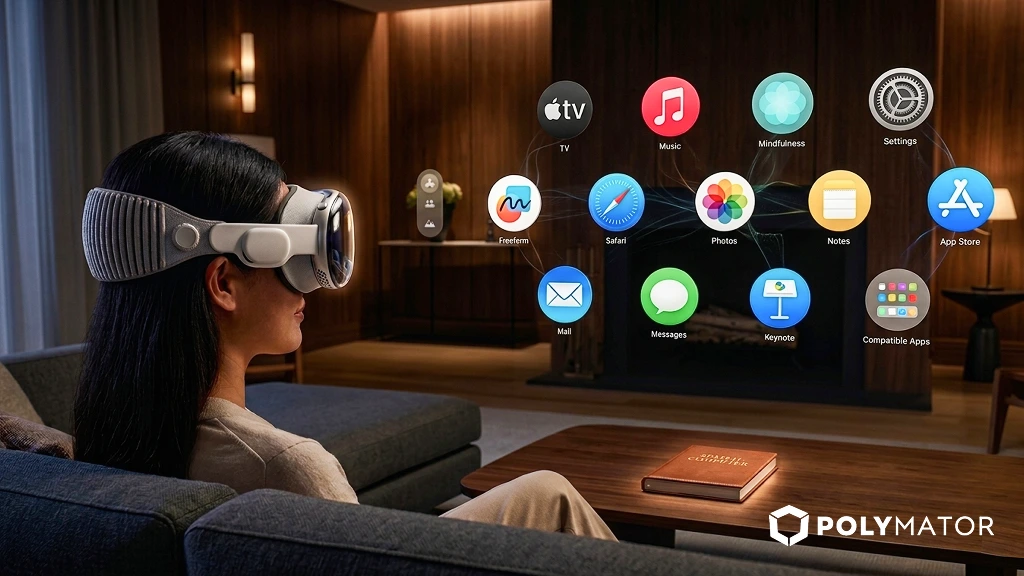
 

An Exclusive Information about Apple’s first Spatial Computer – Apple Vision Pro

Product Image Source : https://www.apple.com/

The never satisfying human desire and the constantly evolving & introducing revolutionary technologies of Apple is a never-ending love story. And this has given humankind an unbelievable and beyond imagination product unveiled by Apple: Apple Vision Pro.

It is a revolutionary spatial computer that introduces us to spatial computing and seamlessly amalgamates digital content with the real world, allowing users to stay present & connected to others. It unlocks breathtaking experiences for the users and exciting opportunities for Apple developers.

Through a tight integration of software & hardware, Apple has designed a standalone spatial computer in a compact wearable form, the ultra-modern and futuristic personal electronic device. In this blog, we will walk you through the features, engaging experiences, and scope of Apple Vision Pro.

What is Apple Vision Pro?

It is the world’s first spatial operating system creating an infinite canvas for apps scaling beyond the boundaries of a traditional display, introducing us to a fully 3D user interface controlled by the most natural & intuitive inputs – user’s eyes, voice, and hands. Apple Vision Pro lets users interact with digital content in a never experienced way like it is physically present in their space.

Apple Vision Pro Breakthrough Design

Apple Vision Pro has a remarkable amount of technology in a compact design. It is a singular piece of 3D-formed & laminated glass that is polished, creating an optical surface that acts as a lens for the broad array of cameras & sensors required to blend the real world with digital content.

Its breakthrough design features an ultra-high-resolution display system. It is built on top of an Apple silicon chip and uses micro-OLED technology packed with 23 million pixels across two displays, more than 4K TV for each eye, and a brand new R1 chip for a virtually lag-free experience, ensuring each experience feels like happening in front of the user’s eyes in real-time (immersive world).

It has flexible straps for audio to remain close to the user’s ears, and the headband is available in multiple sizes.

Apple Vision Pro Hardware

Apple Vision Pro has an advanced Spatial Audio system, the heart of the Vision Pro experience. It creates a feeling that sounds are coming from the surrounding environments of the users & matching the sound to the space.

It has two individually amplified drivers inside each airpod to deliver Personalized Spatial Audio based on the user’s personal head & ear geometry. It has a high-performance eye-tracking system, high-speed cameras, and LEDs rings that project invisible light patterns on the user’s eyes for responsive & intuitive input.

These revolutionary innovations are powered by Apple silicon brand-new R1 chip processes, which take input from five sensors, 12 cameras, and six microphones, ensuring content feels realistic. R1 chip streams new images to displays within 12 milliseconds (8x faster than an eye blink).

Best-in-Industry Privacy & Security

Apple Vision Pro is developed on a robust foundation of privacy & security, keeping users in control of their data. It comes with Optic ID, a new secured authentication system that analyzes the user’s iris under different invisible LED light exposures & compares it with enrolled Optic ID data protected by the Secure Enclave for instantly unlocking Vision Pro. Users’ Optic ID data is fully encrypted, not accessible to apps, and not stored on Apple servers.

Eye Tracking information of Apple Vision Pro is not shared with Apple, third-party apps, or websites. Camera and sensor data is processed at the system level, and individual apps don’t need to see the user’s surroundings to enable Spatial experiences. Eyesight includes a visual indicator, making it clear to others when users capture a spatial photo or video.

Never felt Extraordinary Experiences

Apple Vision Pro brings a revolutionary dimension to compelling personal Computing by transforming how users interact with their favorite apps, connect with their loved ones in FaceTime, capture & relive memories, and enjoy their favorite movies & TV shows. The following are the experiences and usage of Apple Vision Pro:

1. Infinite Canvas for apps at work and home

VisionOS features a 3D interface freeing apps from display boundaries, allowing them to appear side-by-side at any scale. It enables users to be more productive with new ways to multitask, access favorite apps, infinite screen displays, and more.

It will come with Magic Keyboard and Trackpad, allowing users to set up a perfect workspace and bringing the potent capabilities of Mac into Vision Pro wirelessly, thereby creating a private, huge, and portable 4K display with stunning, crisp text.

2. Enthralling Entertainment Experiences

Apple Vision Pro can transform any space into a private movie theatre with its two ultra-high-resolution display screen that creates an ambiance of 100 feet wide with its ultra-modern Spatial Audio system.

Users can watch their favorite TV shows & movies in a three-dimensional environment. It offers 180-degree high-resolution recordings with Spatial Audio and access to a fascinating list of immersive videos transporting them into immersive worlds.

Spatial Computing gives gamers a delightful and enraptured experience with 100+ Apple Arcade Games on a giant screen of their choice with magnificent immersive Spatial Audio & support for modern-day game controllers.

3. FaceTime turns Spatial

With Apple Vision Pro, FaceTime calls reflect everyone in life-size tiles and Spatial Audio, making it sound like participants are speaking from where they are positioned. Users wearing Vision Pro during FaceTime can see a digital representation of themselves created via Apple’s Machine Learning, reflecting their face & hand movements in real time. Also, users can watch a movie, collaborate on a presentation, browse photos, and more.

4. Memories Come to Life

It lets users capture, relive, and immerse themselves in favorite memories with Spatial Audio. Every Spatial video & photo transport back to a moment in time. Users can access the entire photo library of their iCloud to view photos & videos at a life-size scale with spectacular colors and detailing. Every Panorama shot on iPhone expands & wraps around the user, giving them a realistic environment of photo duration & location.

Conclusion

After reading the blog, you will be clear about what Apple Vision Pro is, its breakthrough design, hardware, best-in-industry privacy & security, and never felt extraordinary experiences. Vision Pro is going to be one of the colossal moments in Apple’s history and a revolutionary product with its futuristic features & vision. For any questions, feel free to contact us.

At Polymator, we develop iOS mobile games from scratch to development to deployment & launch. We provide comprehensive iPhone Mobile game Development services to ensure our clients get everything under one consolidated roof.

Contact us for a project consultation for your iOS Mobile Game Development. And alternatively, please email us your game requirements at contact@polymator.com.
How to make a successful VR Game?

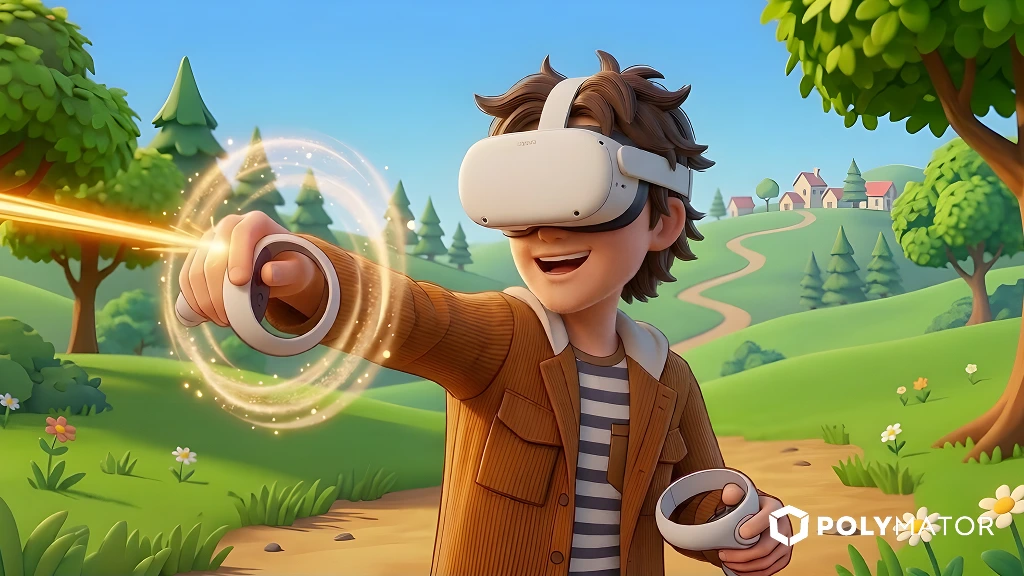
Virtual Reality (VR) is a revolutionary technology and creation of humankind that has received massive admiration worldwide. Numerous industries across the globe are using VR and giving an immersive experience to the customers to feel the product & service in reality through a virtual world without binding to a location.

VR has gained enormous popularity in gaming as users highly prefer playing Virtual Reality Games. They feel like playing games in the real world by immensely connecting with the VR world and its elements.

Many entrepreneurs are switching to Virtual Reality Game Development, which has tremendous scope and stupendous revenues. In this blog, we will walk you through the steps for successfully making a VR Game.

Essential Steps for Successfully Building a VR Game

The following is the workflow to efficiently and successfully create a VR Game in an organized & most optimal manner.

1. Pre-Production

Pre-Production, aka the Initial Preparation stage, is a pivotal stage in the VR Game Development Process that can make or break your VR Games. You must hire a skilled team, from developers to testers to marketers.

A meticulously conducted Pre-Production Stage ensures significant time, cost, and resource savings. The following is the essential checklist that you must do in Pre-Production Stage:

  • Idea Generation

VR Game Owner & Marketing Specialists must analyze the VR Gaming Market to develop a unique concept to attract and engage their potential target audience. It is not necessary that idea should be unique.

You can take inspiration from an existing VR Game in the market as the idea for your game and ensure to make it distinguish from the competitor.

  • Selection of Platform

After finalizing the game idea, you must analyze which VR headset is preferred primarily by VR users. And accordingly, you will get your potential target audience and platform selection through careful analysis.

  • Hiring Talents

A proficient & dexterous team plays a massive role in making your VR Game ordinary and extraordinary. A qualified VR Game Development Team plays a pivotal role in launching & releasing your VR Gaming App on time. Outsourcing the VR Game Development to a VR Game Outsourcing Company is an excellent alternative to save time, cost & resources.

  • Game Design Creation

VR Game Development requires technical guidance, visual concepts, game logic, game elements, and other necessary elements, which should be determined & recorded in a Game Design Document.

It serves as a detailed strategy that gives VR Game Developers a precise & concise outline to achieve the desired result with minimal deviation.

  • Test Document

It is highly advisable to create a Test Design Document similar to Game Design Document for a detailed strategy for the QA team.

This document consists of technical information about the VR Gaming project and the formulation of testing tasks. This step is crucial before beginning testing once the first code unit is ready.

2. Production Stage

After Pre-Production Stage, you will have clarity about how to create your VR Game. At this stage, the plan is implemented into action. The workflow may differ slightly, depending on the tech stack you have selected for your Virtual Reality Game Development Team.

The game engine and development platforms are crucial in making a successful VR Game without complex difficulties. We recommend opting for Unity Gaming Engine for efficiently creating VR Games.

At Polymator, we provide Unity Game Development Services, and choose us as your VR Game Development Company, and make VR Games on the best gaming engine with us.

Making VR Games with Unity is highly recommended when you want to develop a VR Game as a mobile app. VR Game Development with Unreal Engine is highly suitable for desktop experience and high-quality consoles.

Once you have chosen the Gaming Engine and Software for developing VR Games, the 3D Modeling Artists’ works start from here.

3D Modeling Artists create immersive visual content such as environments, characters, & objects, and they animate it according to your Virtual Reality Game requirements—and other front-end parts such as UI design, menu, and sections.

Both Unity and Unreal Engine offer ready-made assets, saving you time for creating content from scratch. You can customize the ready-made assets according to your game requirements.

After that, in the back end, all the visuals and actions are combined according to the game script and transformed into coding language.

Creation of VR Games in game engines gives you access to numerous tools & software development kits to set up VR Environments, Characters, and the finest details for the VR Game. Also, once the code is built, it needs to be checked for bugs & glitches via Unit Testing type.

3. Post-Production

Once Virtual Reality Game Developers have their code ready and it is running effectively, testers prepare testing techniques & tools to check the VR Game functionality and sustainability under different conditions & circumstances.

Testing helps specialists VR Game Testers to detect bugs & glitches and fix them. The VR Game Developers run the code units and rectify them.

A meticulously tested VR Game is proven to be exceptionally functioning and will give end-users a tremendous experience after launch. However, the VR Game Development Team’s tasks aren’t finished here.

They constantly work on enhancing the VR Game to give it a premier quality and exceed clients’ expectations. VR Game Developers might add new features after testing, ensuring the existing code isn’t affected by modifying separate units.

Conclusion

After reading the blog, you will have a firm comprehension of the steps for successfully & efficiently creating a VR Game. Following all the steps that we mentioned in the blog, including the tiny details, will give an enthralling & magnificent touch to your Virtual Reality Game. However, if you need more tips or have any questions, feel free to contact us.

At Polymator, we provide comprehensive Virtual Reality Game Development Services and Unity Game Development Services, which means you will get pivotal Game Development Services under a consolidated roof.

Our VR Game Development Services include a wide range of services for numerous sectors apart from Gaming, such as Healthcare, Education & Training, Retail & Marketing, Military & Defense, and Architecture & Engineering.

Partner with the most reliable Virtual Reality Game Development Company in India by outsourcing your VR Game Development Services, and see your vision become a reality.

Contact us for a consultation and quotation for your mobile game app. And alternatively, you can email us your game requirements at contact@polymator.com.

Best Mobile Game Engines and Development Platforms in 2023

Mobile Game Development has become a pivotal part of the gaming industry as Game Development Companies have understood the importance of the Game Development Process and focused meticulously on each & every step & stage to ensure they deliver bug-free game versions in the market to give an enthralling experience to the users.

More than 20+ mobile game engines are available in the market for game development, due to which anyone can create & design a mobile game without coding experience, extensive programming knowledge, or a large budget. You can develop your game quickly with a creative idea, motivation, and desire in the gaming industry.

In this blog, we will walk you through the best gaming engines available in the market used by 1000s of game developers worldwide for the game development platform.

After reading the blog, you will have comprehensive information for choosing a game development platform to create your mobile game. You will also learn about essential factors for launching your mobile game app in Apple App Store & Google Play Store.

Best Mobile Game Engines & Development Platforms

Unity

Unity

Unity is one of the pre-eminent and most used game engines in the market that helps game developers’ teams to work in collaboration and create mobile games with 2D & 3D development features.

Unity is a cross-platform game engine that supports multiple platforms, such as desktops, laptops, smartphones, and tablets. Unity is one of the easiest game development engines for beginner game developers.

Besides 2D & 3D games, Unity allows users to create interactive simulations for video gaming & animation for engineering, automotive, filmmaking, and many more industries.

It will enable users to import assets from other 3D apps, or you can buy assets directly from different app stores. Users can easily find valuable game materials & guides and get community support.

Unity Supported Platforms
  • Mobile Platforms: iOS & Android
  • Desktop Platforms: Mac, Windows, & Linux
  • Web Platform: WebGL
  • VR Platforms: PlayStation VR & Oculus
  • Console Platforms: Xbox, PS4, & PS5

Some of the popular games developed with Unity are Pokémon Go & Call of Duty (Mobile Version).

Unreal Engine

Unreal Engine

Unreal Engine is primarily used for developing 3D Games. It is a user-friendly game engine platform that doesn’t require programming skills. The Film Industry also uses Unreal Engine for creating virtual sets & animated movies.

Unreal Engine allows developers to get paid & free store assets. It supports multiple platforms, such as desktops, laptops, tablets, & smartphones.

Unreal Engine Supported Platforms are:

Android, iOS, Windows, PS4, PS5, Xbox, Nintendo Switch, Stadia, Magic Leap, Oculus, HTC Vive, Samsung Gear VR, Playstation VR, and HoloLens 2

Some popular games designed with Unreal Engine are Werewolf: The Apocalypse – Earthblood & The Matrix Awakens.

Solar2D

Solar2D

Solar2D, commonly known as Corona SDK, is a Lua-based game engine allowing developers to build 2D mobile game apps. It focuses on ease of iterations & usage. Solar2D development kit is open-source and free to use.

It has an active user community and a marketplace with available plugins & 2D features. It features Solar2D Playground, an interactive website to create & run projects online.

Solar 2D Supported Platforms are:

Android, iOS, Windows, Linux, Mac, Apple TV, Android TV, and Fire TV.

Some popular games developed with Solar2D are Flappy Bird, Corona Cannon, and Match 3 Space RPG.

SpriteKit – 2D sprite-based games

SpriteKit

SpriteKit is a game engine developed by Apple to make games on iOS. SpriteKit framework allows game developers to draw images, shapes, text, and videos in 2D. It is a user-friendly platform for creating mobile games & graphic-intensive apps.

Its simple programming interface makes it the best game engine development platform for apple-based mobile games. There is no need to download external libraries or sources. It also assures that the game apps perfectly match Apple’s current & new products.

Some popular games developed with SpriteKit are Accelebot, Squashy Bug, & Trestle.

Buildbox

Buildbox

Buildbox is one of the most accessible mobile game engines and development platforms in the market for Android game creation. It is one of the best game engines for beginners with no coding experience, as no programming or scripting skills are required.

It allows developers to create 2D & 3D mobile games easily & quickly. It uses drag-and-drop functionalities for creating professional interface mobile games. It has a huge community of users for support for developing mobile games.

Buildbox Supported Platforms are Android & iOS.

Some popular games developed with Buildbox are Blue Edge, Slip Away, Colour Switch, Ball Jump, and The Line Zen.

AppGameKit

AppGameKit

AppGameKit is a cross-platform mobile game engine that doesn’t require specific coding skills. It deploys the game on multiple platforms & available for all devices.

AppGameKit allows developers to develop 2D games with essential elements of 3D. It gives ample options to beginners to develop & deploy mobile games.

It offers AppGameKit Studio – an all-in-one workspace with comprehensive elements for designing & developing a game from an idea (initial concept) to a ready game.

AppGameKit Supported Platforms are Android, iOS, Windows, Linux, Mac, and HTML5.

Some popular games developed with AppGameKit are Skrobol and Repton 2.

Fusion 2.5

Fusion 2.5

Fusion 2.5 was developed by Clickteam, a French software development company, to improve the game’s performance. It uses an event editor system for quickly developing games.

Fusion 2.5 is fully integrated with the physics engine and has an active community for support. It doesn’t require programming skills to develop a game interface. Fusion 2.5 supports 2D mobile games and is best suited for static game development.

Fusion 2.5 Supported Platforms are Android, iOS, Windows Mobile phones, Flash, and Xbox.

Some popular games developed with Fusion 2.5 are Bit Odyssey, Distraint, and Quadle.

Amazon Lumberyard

Amazon Lumberyard

Amazon Lumberyard is a cross-platform game engine based on CryEngine & is powered by Amazon’s features. It helps in creating high-quality games. Developers get AWS Cloud Storage feature and integration with Twitch.

It has beginner-friendly tools which help in the quick creation of prototypes & offers a learning curve to beginners. Amazon Lumberyard is more expensive than other AWS products, but it is one of the ideal game engines for beginners.

Amazon Lumberyard Supported Platforms are Android, iOS, Windows, Xbox One, and PS4. Breakaway & Crucible are popular games developed with Amazon Lumberyard.

GameMaker Studio 2

GameMaker Studio 2

GameMaker Studio 2 is a cross-platform game engine developed by YoYo Games. It offers a drag-and-drop programming language called GameMaker Language. Game Developers can use the supported script language for advanced game development.

It supports numerous platforms. It has a large set of tools that allows users to create & deploy mobile games quickly. GameMaker Studio 2 primarily focuses on creating 2D games by using a standard library of graphics drawings.

GameMaker Studio 2.0 Supported Platforms are:

Android, iOS, Windows, Mac, Nintendo Switch, Ubuntu, Xbox XS, PS4, PS5, and HTML5

Some popular games developed with GameMaker Studio 2.0 are Super Hiking League DX, Samurai Gunn 2, & Webbed.

Construct 3

Construct 3

Construct 3 game engine was developed by Scirra Ltd. It is used for developing & creating 2D mobile games, role-playing games (RPGs), racing games, and puzzles. It offers a Box2D physics engine for those developers who want to develop games based on physics.

Construct 3 doesn’t require any coding skills for game development. It uses JavaScript as an optional scripting language.

Construct 3 Supported Platforms are Android, iOS, Windows, Linux, Mac, Xbox, and HTML5.

Some popular games developed with Construct 3 are Airscape: The Fall of Gravity, The Next Penelope, and Cosmochoria.

MonoGame

MonoGame

MonoGame game engine is a cross-platform for developing 2D games. It uses .NET and C# programming language to write reliable & accurate game codes.

MonoGame is based on Microsoft’s XNA framework. It has open-source technology and a large community of users to support you. MonoGame has a vast number of supported platforms.

MonoGame Supported Platforms are Android, iOS, Windows, Mac, Nintendo Switch, Xbox One, PS4, and PSVita.

Some popular games developed with MonoGame are Bastion, FEZ, and Skulls of the Shogun.

Gideros

Gideros

Gideros is a free, open-source game development platform for creating 2D & 3D games. It enables rapid game development & deployment. It provides instant testing during the game development process. It offers open-source plugins, native speed, and a complete set of development tools.

Gideros Supported Platforms are Android, iOS, Windows, and Mac. Some popular games developed with Gideros are Tetcolor, Magness, and Proto-Tap.

Phaser

Phaser

Phaser game engine is an open-source HTML5 game framework that focuses on mobile development & 2D framework.

It uses JavaScript and enables quick rendering for mobile platforms & desktops because it uses Canvas & WebGL renderer internally. It allows beginners & advanced game developers to create games for the browser rapidly.

Phaser Supported Platforms are Android & iOS. Some popular games developed with Phaser are Atari Asteroids, Fishing.io, and Idle Zoo.

Godot

Godot

Godot is an open-source, cross-platform engine for creating & developing 2D & 3D mobile games. It uses a pixel-based measurement system, best for creating 2D games. Beginner developers will benefit from its node-based interface.

It has a large set of tools for game development, and every game developed is wholly owned by the developer. Godot offers UI editing, which includes a visual editor & content creation accessibility for animators, artists, and level designers.

Godot Supported Platforms are:

Android, iOS, Windows, Linux, Mac, Nintendo Switch, Xbox One, PS4, and HTML5.

Some popular games developed with Godot are Haiku, Kingdoms of the Dump, and Until Then.

Cocos2d-x

Cocos2d-x

Coco2d-x is an open-source game engine with cross-platform development that helps in 2D & 3D mobile game development. It is primarily intended for experienced game developers.

It uses JavaScript, C++, and Lua as the scripting language. It allows you to create tiny games. It comes with detailed documentation. It has a large community for support.

Coco2d-x Supported Platforms are Android, iOS, Windows, Facebook Instant Games, and HTML5.

Some popular games developed with Coco2d-x are Dragon Ball Z, Pokemon Masters, and Magic Rush.

Cryengine

Cryengine

Cryengine is one of the most powerful game engines available in the market. Though it doesn’t support mobile platforms (currently in the beta phase), it is still an excellent choice for beginners.

It provides the highest experience for developers and real-time game development. It offers incredible features like realistic characters, high-end physics, a sandbox, visuals, audio controls, and high performance.

Cryengine has complete source code, documentation, tutorials, and a community for support. It also has a marketplace with ample assets that users can use for their gaming projects. Once mobile support is available, it will become one of the top game engines in the market.

Cryengine Supported Platforms are:

Windows, Linux, Xbox One, PS4, Oculus Rift, HTC Vive, OSVR, and PSVR

Some popular games developed with Cryengine are Crysis 3, Hunt: Showdown, and The Climb.

GameSalad

GameSalad

GameSalad is a game engine designed for all age groups above 12. It provides no-code visual programming to the developers.

Over 75 games created in GameSalad reached the top 100 in the App Store, and many games held the #1 rank. It is one of the easiest game engines for creating & publishing 2D games.

GameSalad Supported Platforms are Android, iOS, Windows, Amazon Kindle, and HTML5.

Some popular games developed with GameSalad are Nitro Car Racing, 8-bit space, and ZOMBEAT! Zombie Invasion.

Defold

Defold

Defold is a free game engine for creating & developing games for mobile, desktop, web, & console platforms. It is primarily used for creating 2D games. Defold is easy to use.

It provides phenomenal technical documentation & a community of developers for support. It is written in Lua scripting language, and you can use native code for more advanced functions. It doesn’t require setup. You can get many editors like code & visual editors.

Defold Supported platforms are Android, iOS, Windows, Linux, Mac, Nintendo Switch, Steam, and HTML5.

Some popular games developed with Defold are BoxRob, Craftomation 101, and Plague Lords.

Haxe 4

Haxe 4

Haxe is an open-source and cross-platform game engine for creating apps & games. It is a free developing language game engine with different pricing packages for additional features & support.

It has numerous game frameworks & libraries that leverage a single code & help in achieving native speeds across multiple platforms.

Haxe Supported Platforms are Android, iOS, Windows, Linux, and Mac.

Some popular games developed with Haxe are Spellbreak, Northgard, and Dead Cells.

GDevelop

GDevelop

GDevelop is an open-source and cross-platform game engine made by Florian Raval, a software engineer from Google. This game engine is primarily for non-developers without coding skills who want to create full video games.

It is easily accessible and straightforward to make games with GDevelop. It has an “event system” to define your game’s logic. It has several tutorials & interactive options. It offers numerous possibilities for JavaScript game developers who want to add more extensions.

GDevelop’s Supported Platforms are Android, iOS, Facebook Gaming, MS Store, and Steam.

Some popular games developed with GDevelop are Swamp, Hyperspace Dogfights, and The Research Age.

Apart from the 20 mentioned mobile game engines & development platforms, you can opt for Stencyl & Starling Framework. Stencyl offers a drag-and-drop interface, useful for beginner developers, and they create 2D games without code.

Starling Framework is an open-source, cross-platform game engine using Adobe’s AIR™ technology. Starling framework can be run in the browser, allowing developers to debug games in the browser and deploy games on a mobile device. It is known for high-speed rendering performance.

Conclusion

After reading the blog, you will have comprehensive knowledge & understanding of 20+ mobile game engines & development platforms. You will be clear about which game engine to use for your mobile game development.

However, if you have questions or are looking to develop a mobile game, feel free to contact us, and we will help you design a top-notch creativity game, converting your vision into reality.

At Polymator, we have a team of game developers who have 15+ years of experience in the gaming industry and help us in providing a wide range of gaming services that includes 2D & 3D Art, Unity Game Development, AR & VR Game Development, and more, depending on your requirements.

Contact us today, and launch your game in the market. We are available via call at +91 720 303 7070 and email at contact@polymator.com.

Essential Steps to develop a Successful Mobile Game

Nowadays, everyone uses smartphones, from a 5-year-old kid to a 70-year-old. Out of 10 people, an average of 6 to 7 people play games on their smartphones. And these numbers will cross 7 in upcoming years.

An engaging mobile game not only keeps gamers engaged and spell-binding with the game, but it leads to millions of downloads worldwide.

The more time gamers spend on a game, the higher the chances of positive reviews leading to a significant number of downloads and it generates huge revenues for game developers.

The foremost thing a game should be strengthened with is its technological aspects. The game should have an intuitive and user-friendly interface and the gameplay should be free from glitches & lags. Converting an idea or concept into a game involves a complex process and various phases. Mobile Game Development often requires various skill sets too.

Apart from the selection & deployment of exclusive tech tools, you must have comprehensive knowledge about the different steps of the game development process. A successful Mobile Game Development Process mainly involves 3 stages such as Pre-Production, Production, and Post-Production.

This blog article will walk you through various steps of developing a successful game, from planning to designing to implementing and distributing the game on the App Store & Play Store.

Why invest in Mobile Game Development?

The Mobile Game Market is a massive revenue generation industry as it involves millions of users downloading and playing the game. The Mobile Game Market is highly lucrative, diverse, and extensive. It has emerged significantly during the last few years, especially post covid-19.

The Mobile Game industry is expected to rise at an annual growth rate of 11% and the revenues will cross $125 billion by 2024. The year 2023 is considered to be the best time to invest in Mobile Game Development and earn significant revenues.

Building a Strategy to make a Successful Mobile Game

Hundreds and thousands of games are added to the Play Store and App Store each month, but not all of them have the potential to gain massive responses like PUBG, Clash of Clans, and Call of Duty.

The reason is that a successful game is a combination of a solid idea, intuitive user experience, ideal monetization strategy, and engaging gameplay.

Following are the steps to make a successful mobile game

1. A well Detailed Enthralling Game Idea

The first and most important step is the ideation process. It is like the foundation for further development.  All you need is a top-notch creative & innovative gaming idea.

You need to understand the concept from a player’s point of view to understand their likes and dislikes in a game. Your concept or idea can be Unique or it could be inspired by another game available in the market.

Instead of complicated game ideas, one should always be focused on delivering a great gameplay experience to its target audience.

2. Building an Engaging and Intriguing Storyline

If required by the concept, stories are a vital element in the mobile game development process. You can consider it the backbone of the game. Features and Graphics do play a critical role but it’s the story that establishes an instant connection between the player and the purpose or the objective of the game. The more intriguing the story the more users connect.

3. Robust Game Development Plan

You must pay meticulous attention to create a robust game plan. It will help you to convey and execute your ideas effectively. A most common  game plan includes the following:

  • Concept Development
  • Game Design Document
  • Art Visualization
  • Graphics and Art
  • Technical Architecture
  • Developing a Gameplay
  • inApp Purchases
  • Marketing Strategy

At Polymator we follow an agile game development process, which helps to build strategic elements of the game.

4. Choosing Right Development Tools

Choosing the right development tools for your mobile game development plays an essential role in your product success. The most important tool for game development is Game Engine such as Unity 3D or Unreal. You must select a game engine by keeping your development requirements in mind. Selecting the wrong game engine might create a lot of problems such as slow development progress due to the unavailability of the right resources or a buggy final end product so it is pretty much important to select the one that fits your mobile gaming needs.

5. Building a right Monetization Strategy

Building a good monetization strategy is a very important aspect of a successful game. It helps to build a strong revenue channel and helps to get more profits out of your game. For apps, the most profitable inApp models are weekly, monthly, or yearly subscriptions but when it comes to games offering the right inApp item at the right point is crucial.

Polymator helps its clients to build the right monetization strategies for their games so they can get maximum returns on their development costs.

6. Selection of the right Publishing Platform

Apart from choosing the right development tools, it is pretty much important to go for the right publishing platform too. There are some key differentiators such as 70% of smartphone users across the world are Android users but at the same time, Appstore can get you more revenues via inApp purchases. The most advisable strategy is to target both platforms.

Conclusion

By reading this article, we tried to provide a brief perspective for developing a successful mobile game. However, if you have any questions regarding game development, feel free to contact us, and our experts will help you at each development stage.

Polymator provides end-to-end game development services – right from ideation to final release and beyond.

We also provide various services such as 3D Game Art services and Unity 3D Game Development. You can reach our team of experts at contact@polymator.com for your mobile game development needs and to turn your dream into reality.