- Services
 Featured case studyA high-fidelity VR walkthrough of a 155mm howitzer that boosted training retention by 70% and cut trainee errors by 45%.Read Case Study
From static exhibits to immersive digital experiences, we help museums and heritage institutions engage modern audiences, preserve cultural assets, and expand global access through XR, 3D reconstruction, and interactive learning platforms.
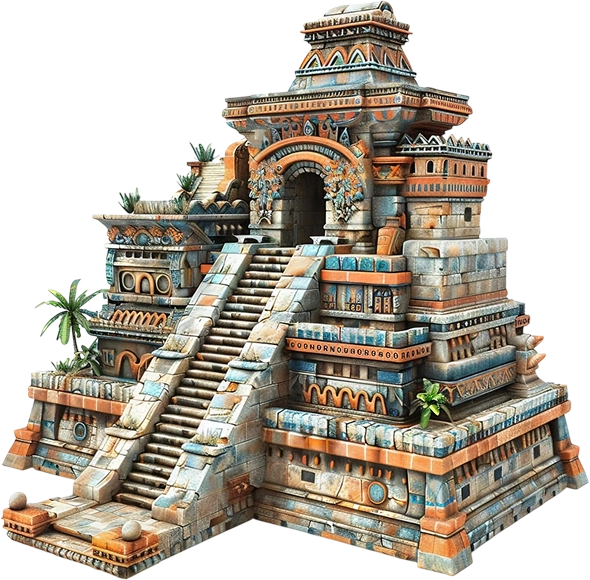
We deliver immersive platforms for museums, tourism boards, and cultural exhibitions worldwide. Our solutions integrate XR, 3D modeling, and interactive systems for scalable institutional engagement.
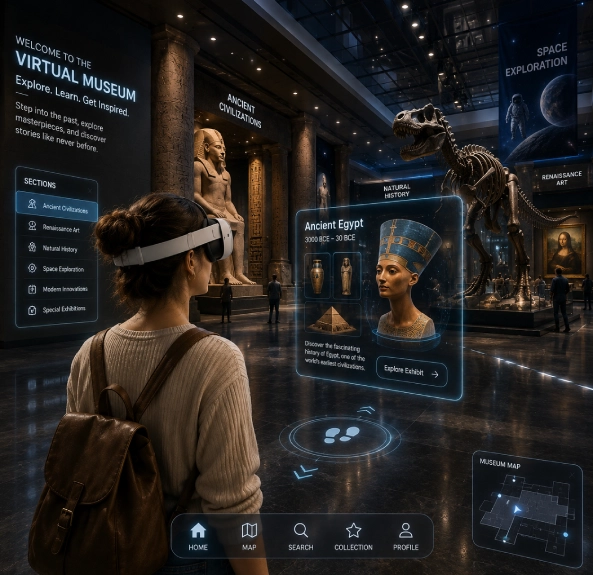
We deliver immersive XR experiences for museums and cultural centers, combining curatorial alignment, 3D asset capture, and scalable deployment frameworks. Our projects integrate accessibility standards and long-term content management infrastructure.
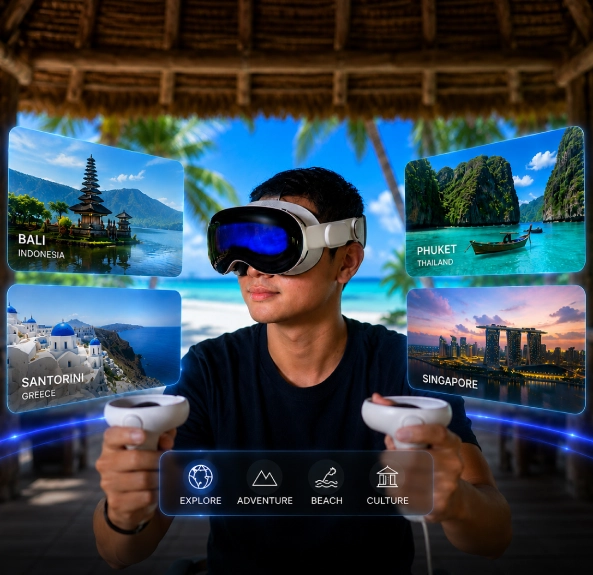
Delivering immersive destination platforms, our team combines cinematic 3D capture, real-time engines, and XR distribution environments. Our solutions support expo deployments, international roadshows, and strategic spatial campaign activations.
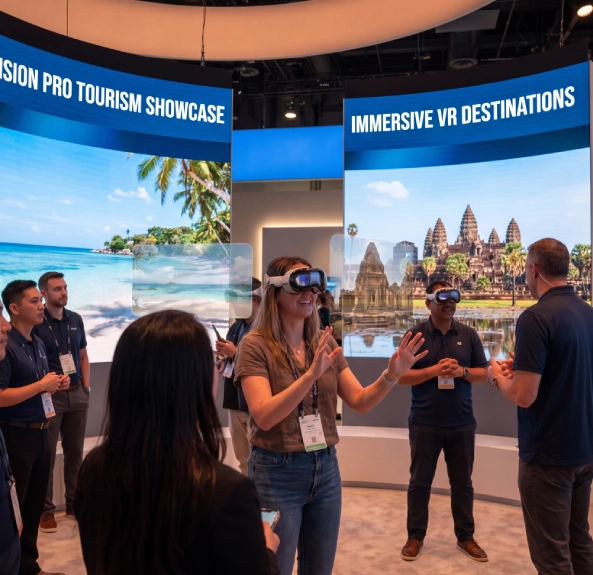
From concept to execution, immersive exhibition ecosystems combine physical booth architecture, real-time XR layers, and centralized device management. Delivery ensures seamless content production, integration, onsite execution, and optimized performance.
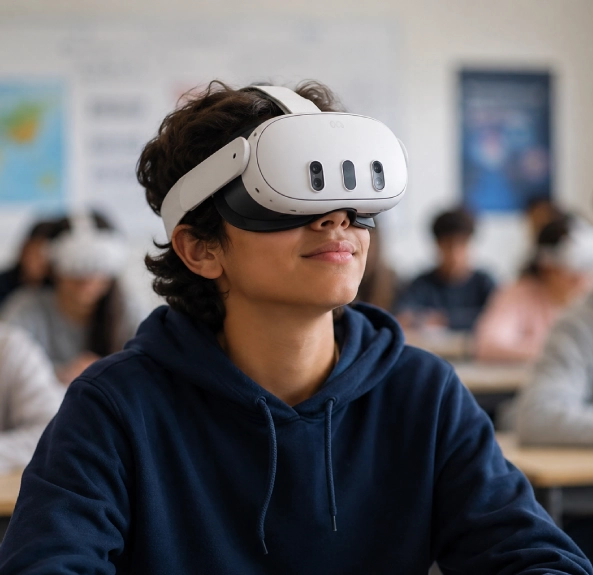
We collaborate with academic institutions to implement immersive XR infrastructures aligned with curriculum frameworks and institutional IT systems. Our solutions integrate AR layers, VR environments, and scalable 3D meeting accessibility standards.
Cultural and heritage institutions need solutions that preserve authenticity while expanding access. Our capabilities combine spatial technologies, immersive systems, and digital production to support preservation, education, and public engagement responsibly.

Delivering immersive training environments, we replicate real-world conservation processes and visitor interactions. Our approach ensures teams uphold operational excellence, cultural responsibility, safety standards, and institutional best practices across heritage environments.
Explore AR & VR Training
Based on institutional training requirements, we develop structured digital platforms for role-specific learning across locations. Our systems maintain knowledge consistency, certification oversight, and measurable compliance aligned with organizational standards.
Explore E-Learning Solutions
We create controlled virtual environments that extend access to cultural sites and collections without compromising authenticity. Our platforms preserve authenticity while maintaining full curatorial authority over digital engagement.
Explore Metaverse Development
Through spatial computing solutions, we deliver contextual overlays and guided digital navigation within heritage spaces. Our systems support curators with flexible storytelling tools while enabling scalable institutional deployment.
Explore Vision Pro Development
With detailed spatial reconstruction, we support preservation planning, long-term conservation strategy, and restoration coordination. Our digital environments maintain historical accuracy while strengthening institutional visualization, communication, and decision-making.
Explore Environment Modeling
Through detailed artifact digitization, we develop precise three-dimensional representations reflecting accurate scale, material character, and cultural context. Our models strengthen archival documentation and support research, interpretation, and educational access.
Explore Props Modeling
Producing structured visual narratives, we communicate preservation processes, historical context, and institutional initiatives with clarity. Our media supports stakeholder alignment and strengthens public understanding of cultural work.
Explore Explainer Videos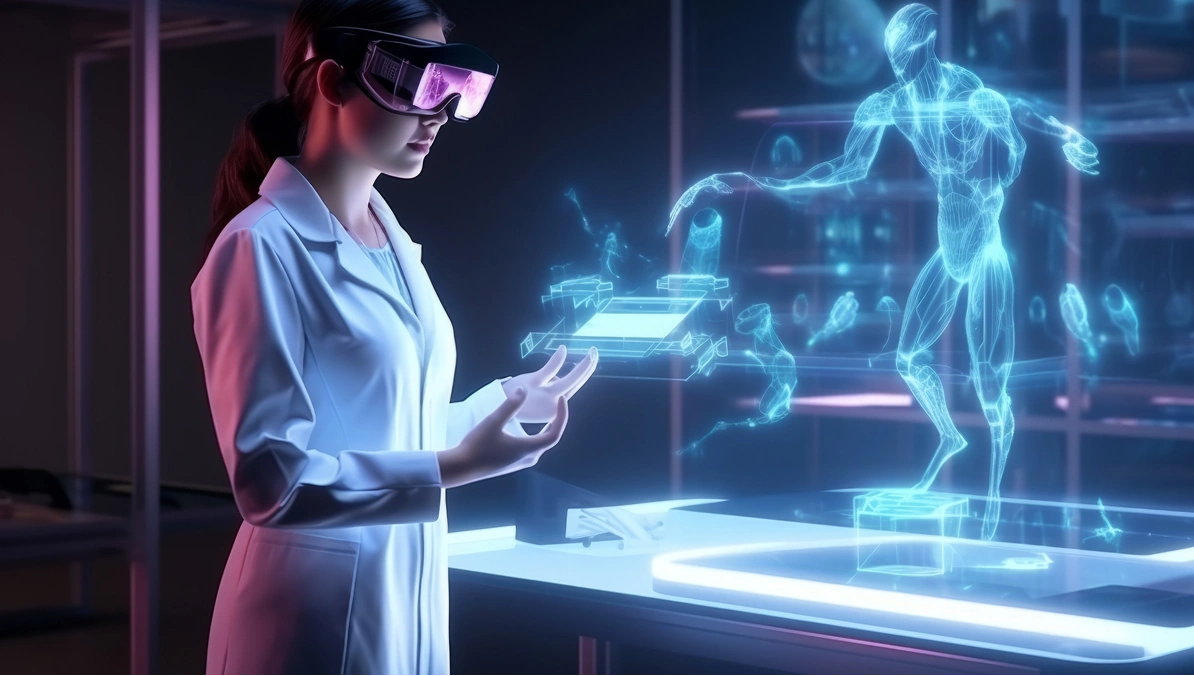
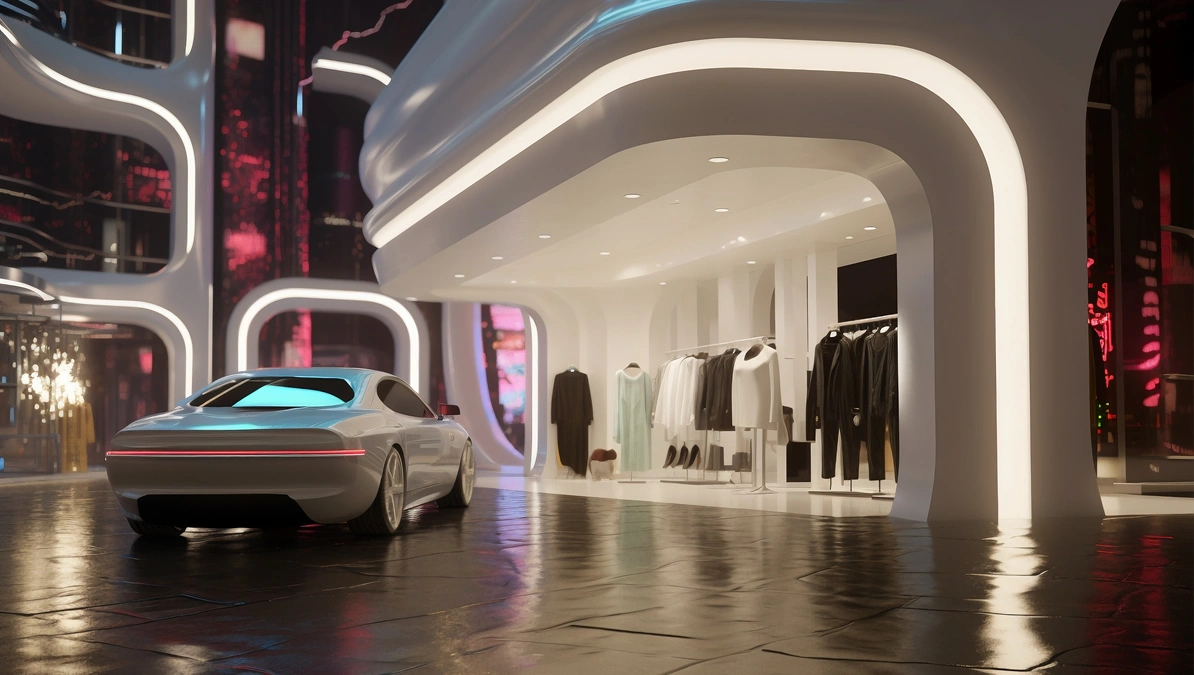
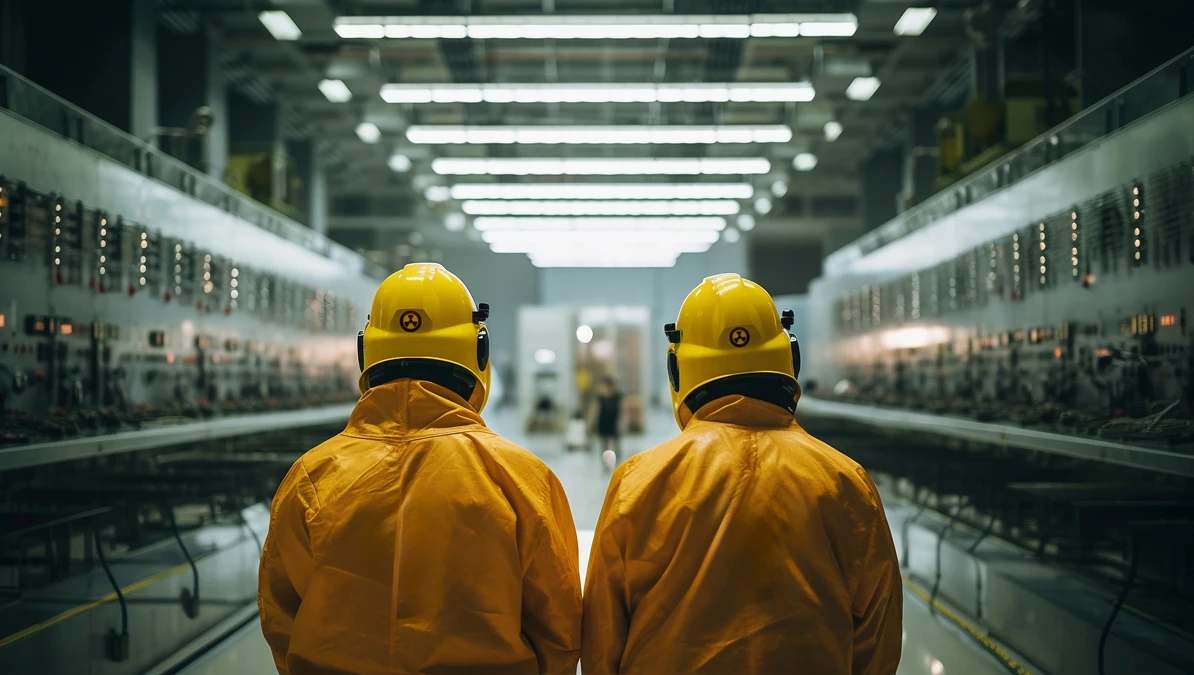
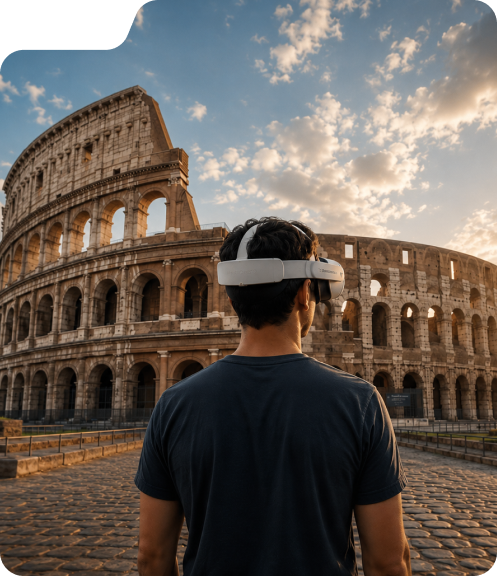
Immersive solutions not only support heritage preservation but also expand responsible access and audience engagement.

Polymator uses non-invasive 3D scanning, photogrammetry and digital reconstruction techniques to create precise digital models of artifacts, historical sites and architectural environments. These assets meet conservation standards and are used for research, public access and immersive exhibition.
Yes. AR overlays bring physical exhibits to life with contextual information, animations and historical reconstructions. VR transports visitors inside historical environments — exploring sites, periods and cultural contexts that cannot be physically recreated in a museum space.
VR cultural experiences allow tourism boards to give global audiences a taste of destinations before visiting — exploring ancient sites, participating in cultural ceremonies and discovering heritage collections that are inaccessible due to distance, conservation restrictions or physical limitations.
Polymator works with cultural institutions, historians and domain experts to ensure all 3D reconstructions reflect documented historical, regional and cultural accuracy. Every artifact, costume or environment is validated against authoritative source material before production.
Heritage content can be delivered as VR experiences for headsets, AR apps for mobile devices, web-based 3D viewers for museum websites, kiosk installations for on-site exhibitions, and educational modules for academic institutions.
Tell us about your initiative. We help cultural institutions enable preservation, education and controlled digital access.