- Services
 Featured case studyA high-fidelity VR walkthrough of a 155mm howitzer that boosted training retention by 70% and cut trainee errors by 45%.Read Case Study
Every space is built with accurate proportions, believable materials and clear spatial logic, so environments feel natural to explore and easy to understand. Our focus is on creating environments that look real, feel grounded and remain reliable across games, virtual experiences and real-time production use.
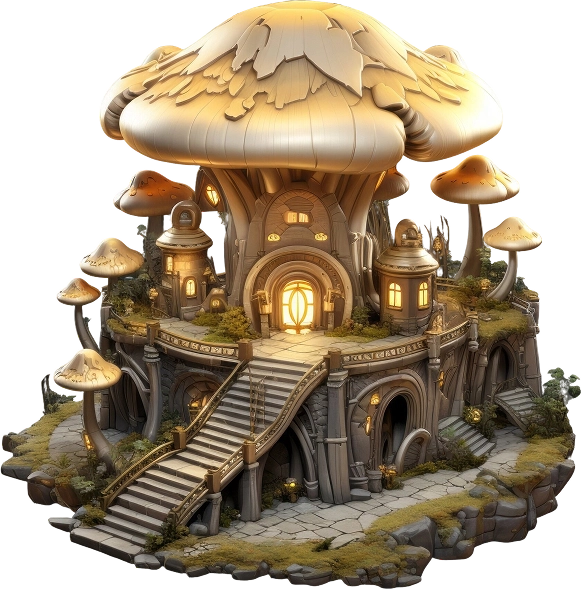
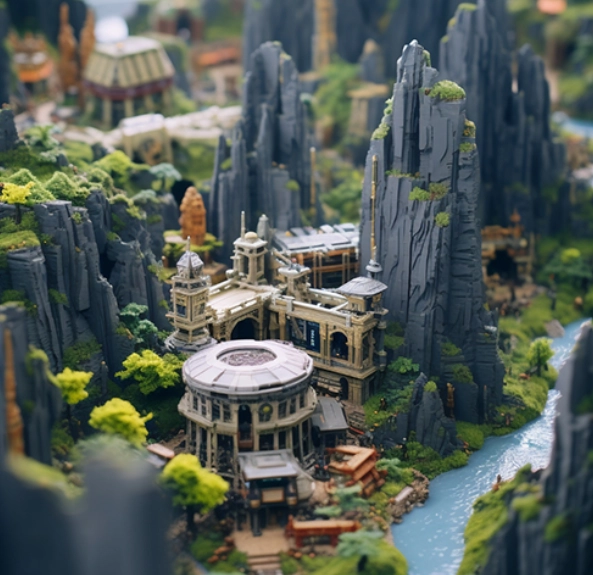
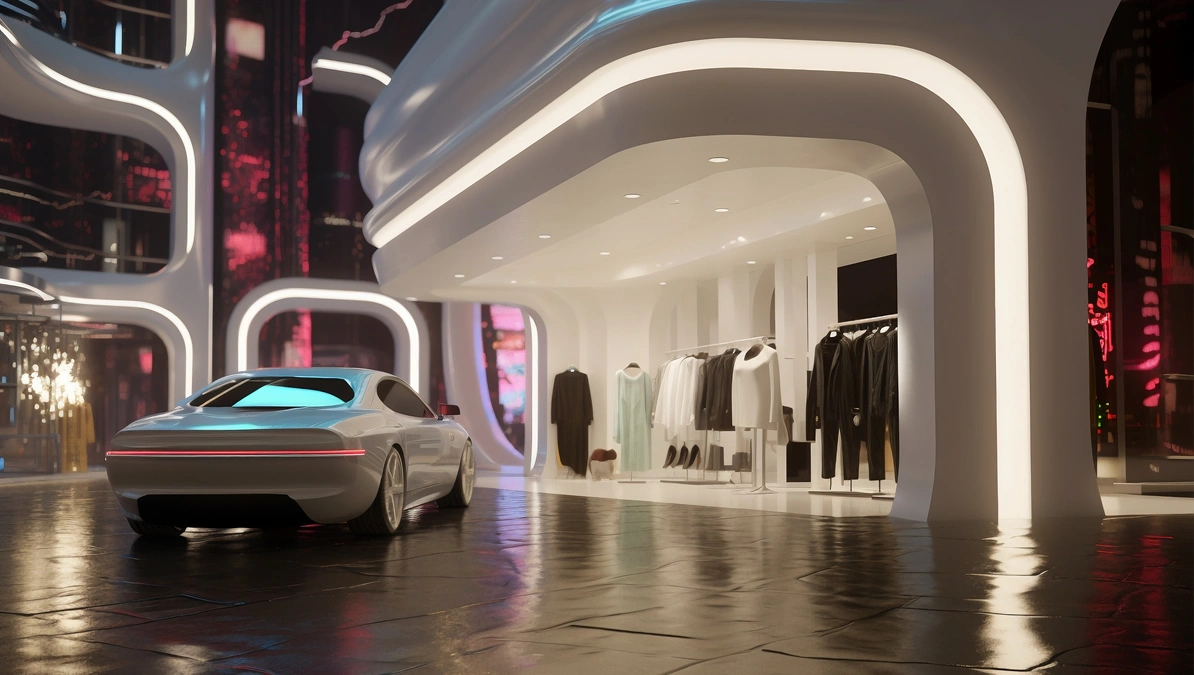
We create lifelike 3D environments grounded in real-world scale, proportion and spatial logic, designed to look believable and work reliably across games, virtual experiences and real-time platforms.
We model 3D environments using modular asset frameworks, controlled grid and scale logic, clean topology and consistent material rules.
LOD planning, draw call limits, texture atlasing and asset hierarchy are defined during modelling rather than after. Our approach has helped our 3D artists to ensure environments remain performant, navigable and structurally coherent as size, interaction and content density increase.
We create 3D environments that feel cohesive, believable and easy to navigate. Every space is designed with structure, scale and visual logic, so environments feel natural to explore and reliable to use in production across industries.
Let’s Talk
We model 3D game environments built around level design, player movement and gameplay flow. Layouts, scale and visual cues are designed by our 3D artists to guide players, support mechanics and remain readable during fast-paced play.
Let’s Talk
We design game levels around player movement, challenge pacing and decision-making. Our 3D artists model layouts to guide players naturally, support mechanics and keep gameplay engaging without confusion or dead ends.
Let’s Talk
Our artists design virtual environments that feel understandable the moment someone enters them. Whether for simulations, virtual experiences, or real-time platforms, we structure our environments to feel coherent, responsive and reliable.
Let’s Talk
We deliver architectural visualizations built to communicate design. We focus on proportions, material behaviors and spatial flow so designs feel realistic, legible and credible.
Let’s Talk
We create virtual tours that function as digital pre-visits. By presenting accurate layout, flow and points of interest, our tours support faster planning, higher engagement time and stronger visit intent.
Let’s Talk

Clear spatial structure and asset discipline Reduce late-stage fixes and review churn at scale.

Prevents layout confusion, asset sprawl and costly rework as environments grow.

Avoids frame drops and optimization firefighting when environments move from demo to real use.

Allows teams to add content, regions, or scenarios without breaking existing systems.

Ensures users can move, orient and interact intuitively without training or workaround logic.

Our environment design workflow turns rough ideas into optimized, engine-ready worlds. Each stage balances visual storytelling, gameplay clarity and technical performance so environments look strong, guide players naturally and run smoothly across platforms.



Our environment modelling stack is built for reliable engine integration and performance control. Using Blender, Maya, Substance and Unreal and Unity pipelines, we apply disciplined retopology, UVs, PBR materials, LOD planning and draw call optimization to deliver clean, engine-ready environments.






From global enterprises to innovation-driven startups, leading brands trust us to deliver immersive, scalable and outcome-driven digital experiences. Together, we work to enhance engagement, strengthen brand presence and drive growth across industries.









Trusted by 100+ happy customers.
3D environment modelling creates the digital spaces – interiors, exteriors, industrial facilities, natural landscapes and game levels – where users or players interact. The process includes blockout, detailed modelling, UV mapping, texturing, lighting setup, asset optimization and engine integration.
Realistic environments use physically-based materials, accurate lighting and real-world reference to create spaces that feel genuine and immersive. Stylized environments use artistic interpretation, exaggerated forms and distinctive color palettes to create visually memorable spaces with a unique aesthetic.
Optimization includes polygon count management at different LOD levels, texture atlas consolidation to reduce draw calls, lightmap baking for static lighting, occlusion culling setup and asset streaming configuration – ensuring smooth performance across target hardware.
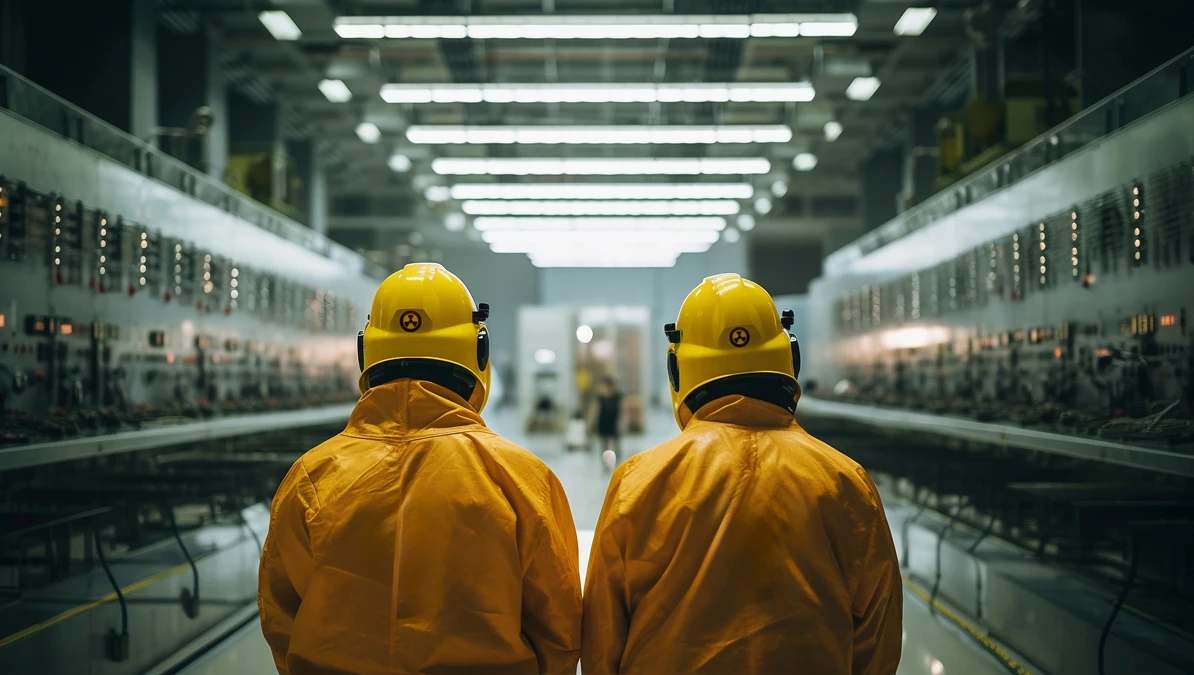
Yes. Polymator creates accurate 3D recreations of industrial plants, clinical facilities, aircraft hangars, ship decks and construction sites for training simulations. These are built from architectural plans, site photographs and engineering documentation.
Environment modelling creates the 3D visual assets of a space. Level design arranges those assets to guide player flow, create challenge, pacing and emotional experience. Polymator provides both services and can integrate them for a cohesive game environment that works visually and functionally.

Submit your ideas and our specialists will help you shape immersive worlds with technical precision and creative detail.