
- Services
 Featured case studyA high-fidelity VR walkthrough of a 155mm howitzer that boosted training retention by 70% and cut trainee errors by 45%.Read Case Study

As part of a large-scale metaverse initiative, the objective was to digitally recreate culturally significant Qatari artifacts for immersive augmented reality viewing. The platform enables users to select heritage objects and generate them instantly in AR for detailed inspection.
The project involved developing hyper-realistic 3D replicas that preserved material authenticity, surface details, aging marks, and craftsmanship nuances, while optimizing assets for stable, real-time AR performance across mobile devices.
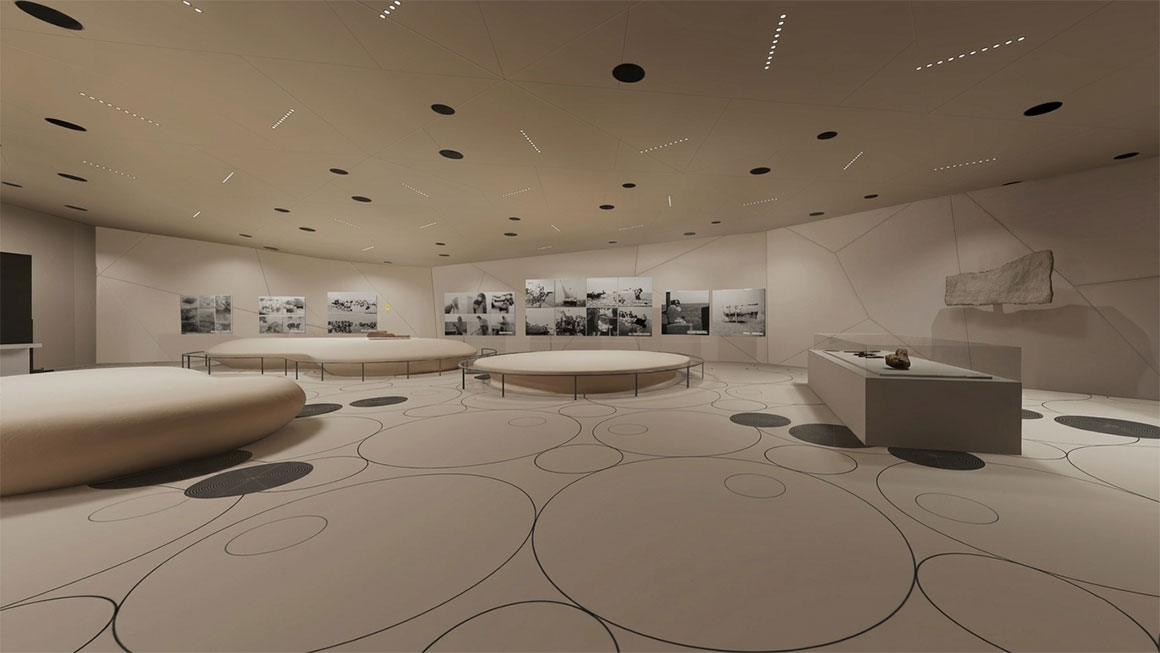
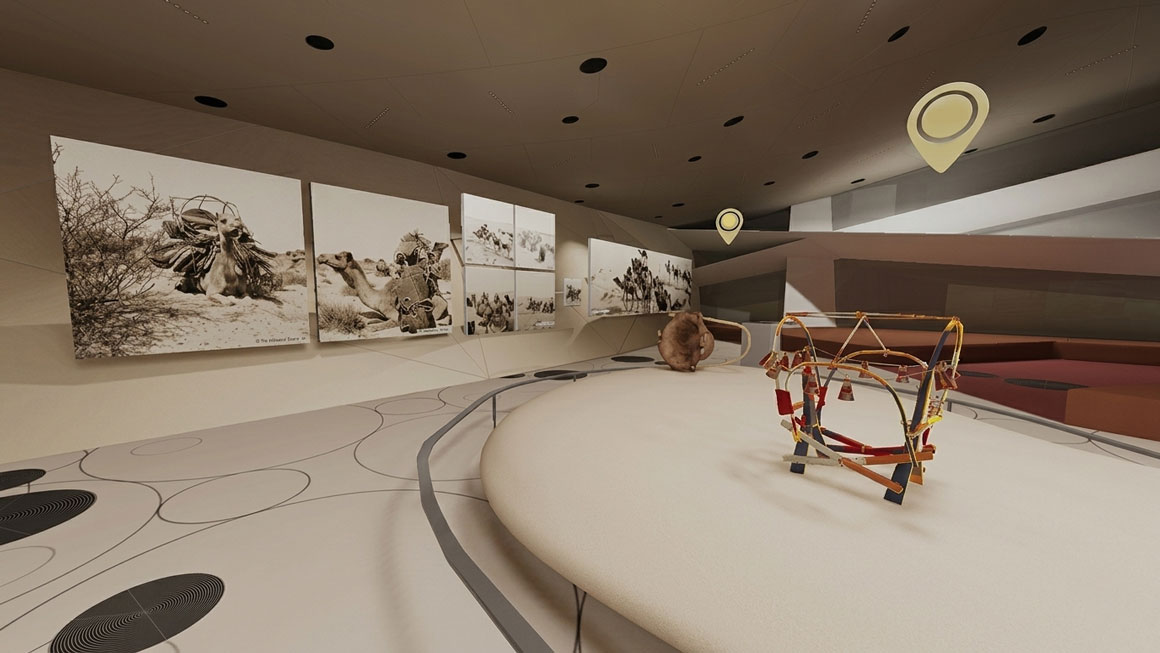
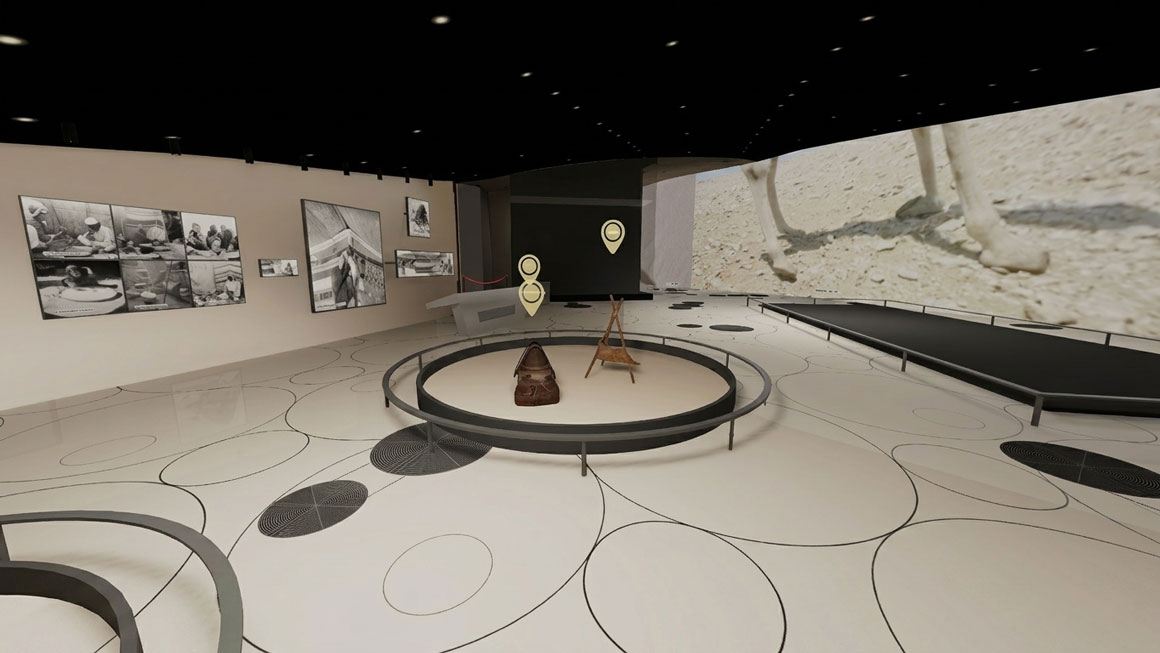
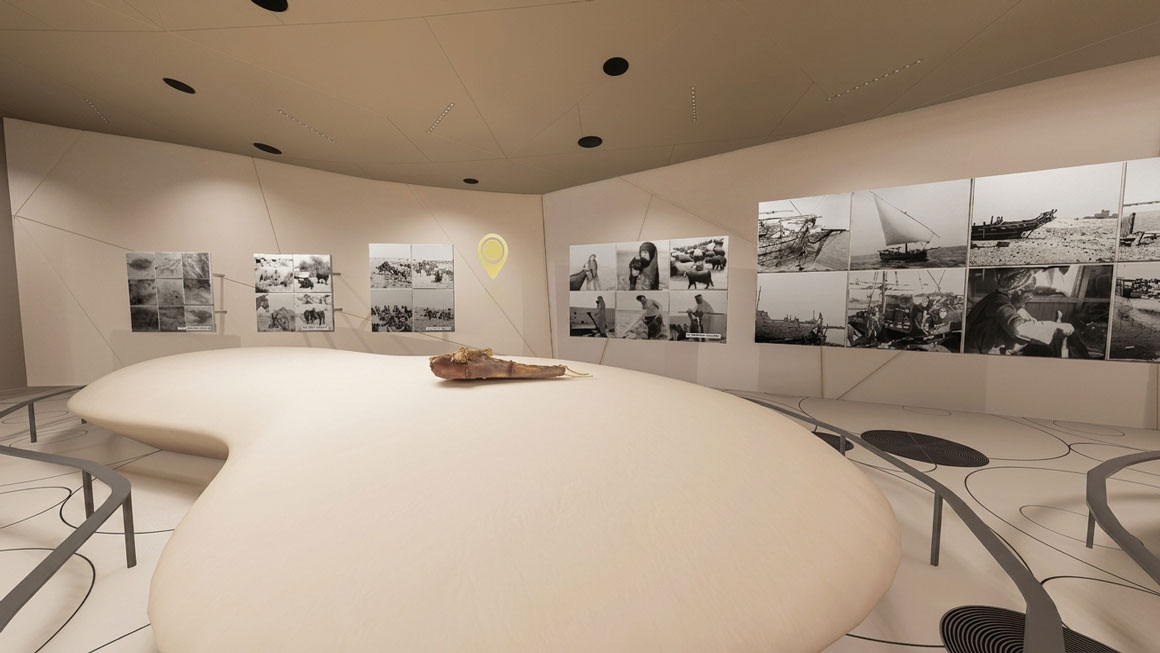
The vision was to bridge physical heritage with immersive digital access, allowing global audiences to explore museum artifacts up close in AR with museum-level accuracy.
The interface demonstrates multiple artifacts available for AR generation, reinforcing accessibility and global engagement.
Museum artifacts require extreme precision. Unlike standard 3D props, heritage objects demand:
Additionally, AR experiences require performance balance. High-poly, highly detailed artifacts must be optimized without compromising realism.
Another key challenge was ensuring that when users generate artifacts in AR, they appear natural in real-world lighting conditions, requiring calibrated shaders and material response tuning.
We created high-accuracy 3D artifact models optimized for real-time AR, balancing material authenticity with mobile performance requirements.

Each artifact was carefully crafted to replicate fine craftsmanship, whether carved wooden tools, metallic ceremonial objects, clay pottery, woven textiles, or ancient stone pieces.
The AR interface allows detailed inspection of artifacts without physical handling, supporting preservation and accessibility goals.